Board of Directors
Our Leaders
People of the Sacred Land is a 100% American Indian-led 501(c)(3) non-profit organization. Directors are members of the Colorado American Indian Community working to support Indigenous Peoples’ rights in communities across the state. Our Directors are dedicated to working towards PSL’s mission to create equity for American Indians in Colorado and the tribes whose lands were stolen from them.
-
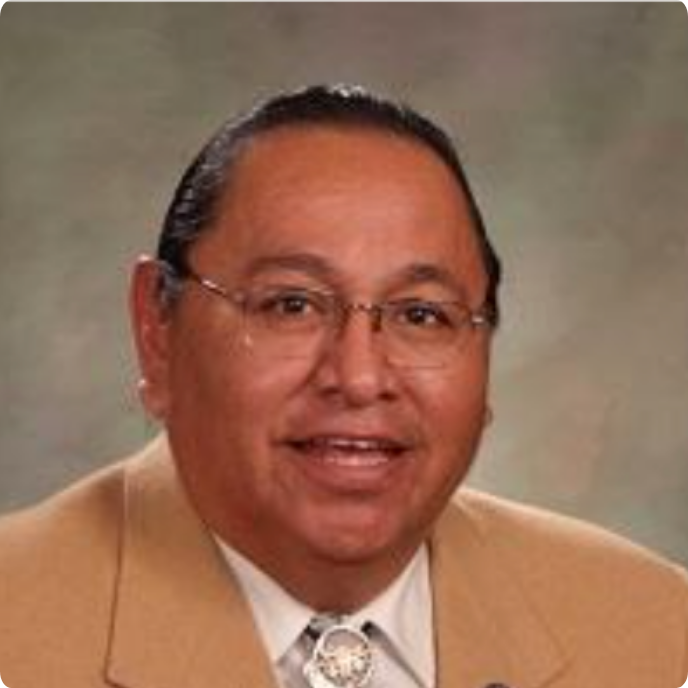
Description text goes hereRichard B. Williams (Oglala Lakota, Cheyenne) holds the distinction of being the first American Indian student to earn a bachelor’s degree from the University of Nebraska. He earned a master’s in education administration from UW. In May 2007, he received an honorary Doctor of Humane Letters degree from Roger Williams University in Rhode Island. From 1997-2012, he served as president and CEO of the American Indian College Fund. This national nonprofit organization raises private support for all 32 tribal colleges and universities in the United States. Throughout his career, he has lectured and presented for various organizations, including the Central Intelligence Agency, National Indian Education Association, the American Indian Higher Education Consortium, and the National Council of Educational Opportunity Associations. In 1993 and 1994, he served as a consulting editor for the Discovery Channel series How the West Was Lost. From 1993 to 1997, Williams served as an instructor for the Indian Studies graduate program at the University of Denver.
-
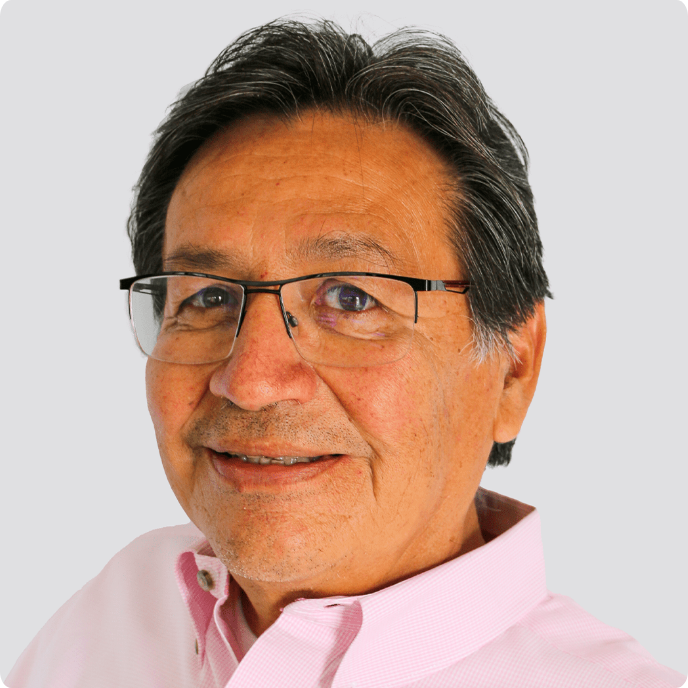
W. Patrick Goggles, an enrolled member of the Northern Arapaho Tribe of Wyoming, resides in the rural community of Mill Creek, On the Wind River Indian Reservation, Wyoming. Patrick has been married to Charolette R. Goggles for 47 years and together raised three children and have 10 grandchildren and two Great Grandsons.
Patrick is the Executive Director of Northern Arapaho Tribal Housing, since July 2003. Patrick also serves as the Region 5 Director to the National American Indian Housing Council since 2018.
Patrick is a Central Wyoming College and University of Wyoming graduate. Patrick is also a 2003 Leadership Wyoming graduate and an honorary Graduate of the Wind River Tribal College.
Patrick was elected to the 58th Wyoming Legislature in November of 2004 as Representative for House District 33. Patrick served as the Minority Floor Leader, Minority Whip and Ranking Democrat on the Management Council for the Wyoming Legislature until 2014. Patrick is a five-term legislator and was the lone Native American elected to the Wyoming Legislature.
Patrick also was elected to the Northern Arapaho Business Council in 1978 and served two terms. Patrick has also been elected to the Fremont County School District 14 Board of Trustees / Wyoming Indian Schools for twenty-two years.
-
For over 40 years, Rick has been actively involved in advocating on behalf of the American Indian community through both his professional and personal life. From supporting higher education opportunities for Native students at the University of Colorado-Boulder, University of Phoenix, and the American Indian College Fund, to helping serve the Native community in the Denver Front Range area through his work at the Denver Indian Center, Rick has dedicated his life to Indian Country. In promoting self-determination and self-reliance, Rick points to the importance of the family and the roles each member is responsible for while taking into account traditional Native American beliefs and values. Originally from Oklahoma, Rick has lived in Colorado since 1984. He formerly serviced as the Co-Executive Director of the Denver Indian Center. A graduate of the University of Oklahoma, Rick is married with 2 daughters and 4 grandchildren.
-
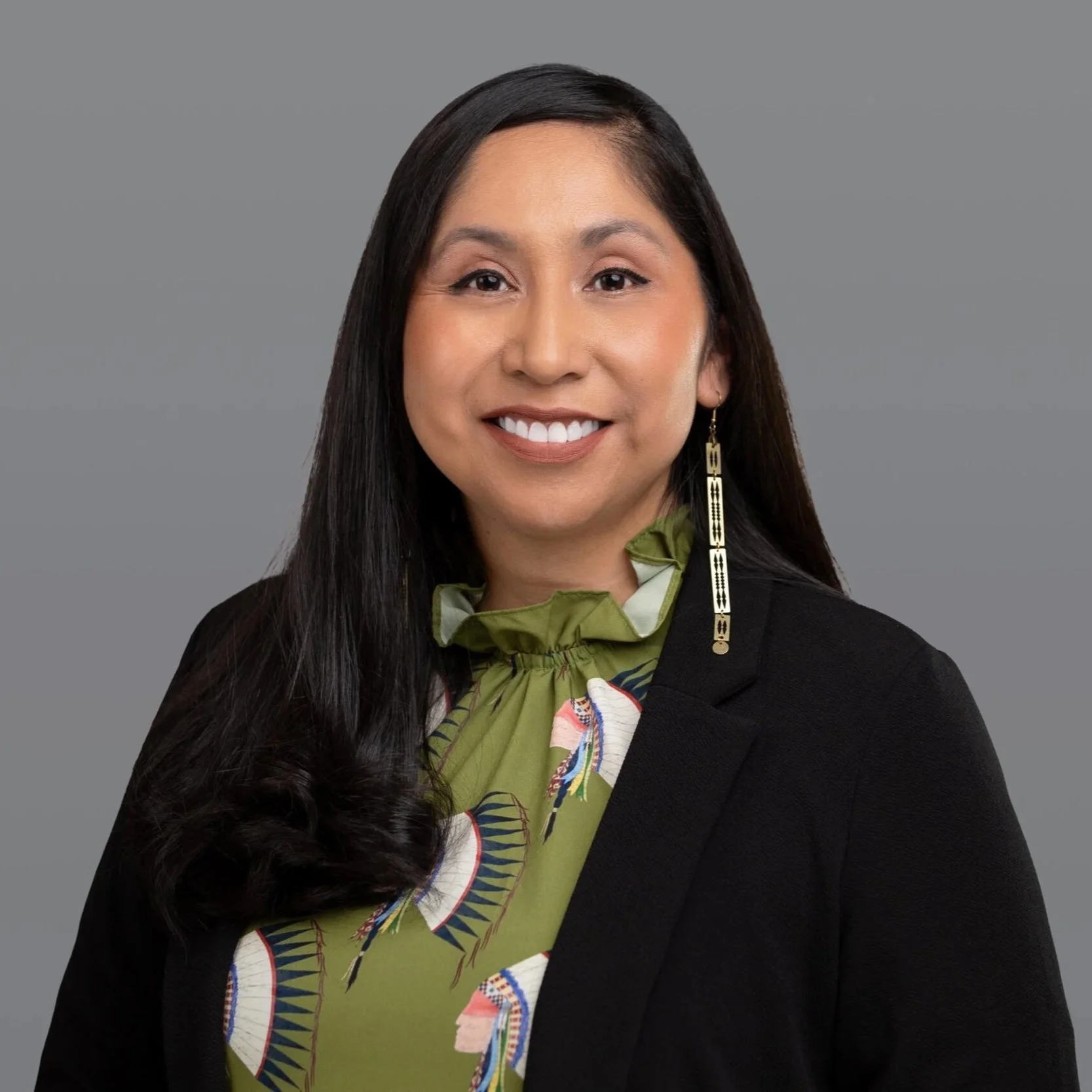
Raelene Whiteshield (Tsa-geah-hodle-mah) is an enrolled member of the Cheyenne and Arapaho Tribes of Oklahoma and also half Kiowa. She carries over 21 years of experience in the finance industry with many of those years working in commercial and corporate lending. Raelene currently works in nonprofit working with Indigenous communities in the US and Canada.
Raelene was raised in a suburb of Denver, Colorado where she still resides with her children and caregiver to her grandmother. Raelene is an avid seamstress, Indigenous designer, artist, jingle dress dancer, mother, and the largest fan to her children. Raelene currently is a Native American Advisory Council member at the Golden History Museum, an Advisory Community Member at the Denver Art Museum 100 years of Native American Art exhibition, titled: “Sustained!”. She is also a co-curator at the Golden History Museum for the exhibition “We Are Still Here: The Endurance of Native Jewels”, and she had seamstress artwork on display at the Golden History Museum and Gregory Allicar Museum of Art. She also sits on the advisory council for the City of Broomfield/Friends of Broomfield for the Sister City program with the Cheyenne and Arapaho Tribes. Raelene also is a co-writer for Patagonia Denver, Board Literature that is displayed at the Patagonia Denver store location. She has also assisted many local committees and community projects throughout the years.
-
Christine Baker Sage is a Southern Ute tribal leader and elder from the Southern Ute Indian Reservation in southwestern Colorado. She was elected Chairwoman of the Southern Ute Indian Tribe in December 2017, becoming only the second woman in recent history to hold that position.
Born and raised on the reservation, she is the daughter of the late Chairman Christopher A. Baker and Esther Coyote-Baker, continuing a family legacy of tribal leadership. During her tenure as Chairwoman from 2017 to 2020, Sage worked with tribal officials on governance, community health and safety, and represented the Tribe in official capacities, including taking executive action during the COVID-19 pandemic to protect tribal members and adjust tribal government operations.
Beyond elected office, Sage has remained active in community service and education. She has worked as a Head Start teacher, served on the Ignacio Community Library Board of Trustees, and participated in the Southern Colorado Community Action Agency Board of Directors, reflecting her longstanding commitment to community well-being and leadership.
Born and raised on the reservation, she is the daughter of the late Chairman Christopher A. Baker and Esther Coyote-Baker, continuing a family legacy of tribal leadership. sudrum.com During her tenure as Chairwoman from 2017 to 2020, Sage worked with tribal officials on governance, community health and safety, and represented the tribe in various official capacities — including taking executive actions during the COVID-19 pandemic to protect tribal members and modify government operations in response to public health concerns. sudrum.com
After serving as Chairwoman, Sage remained engaged in tribal affairs; she ran again for the chairman seat in the Tribe’s 2023 general election, emphasizing her experience and commitment to advocacy for the Southern Ute people. sudrum.com
Beyond elected office, Sage has been active in community boards and education initiatives. She has worked as a Head Start teacher, served on the Ignacio Community Library Board of Trustees, and been involved with the Southern Colorado Community Action Agency Board of Directors, highlighting her broader commitment to local service and development.
-
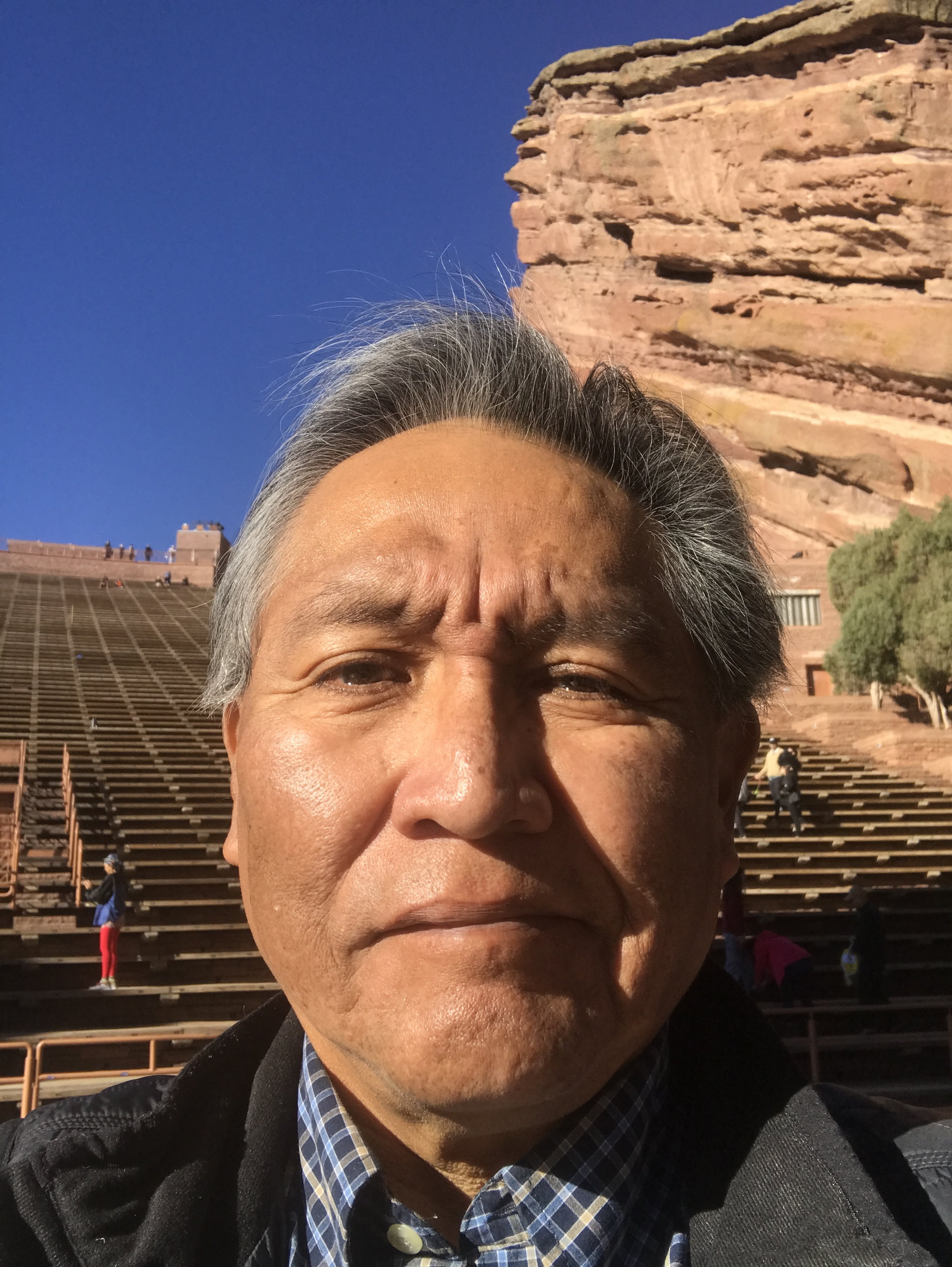
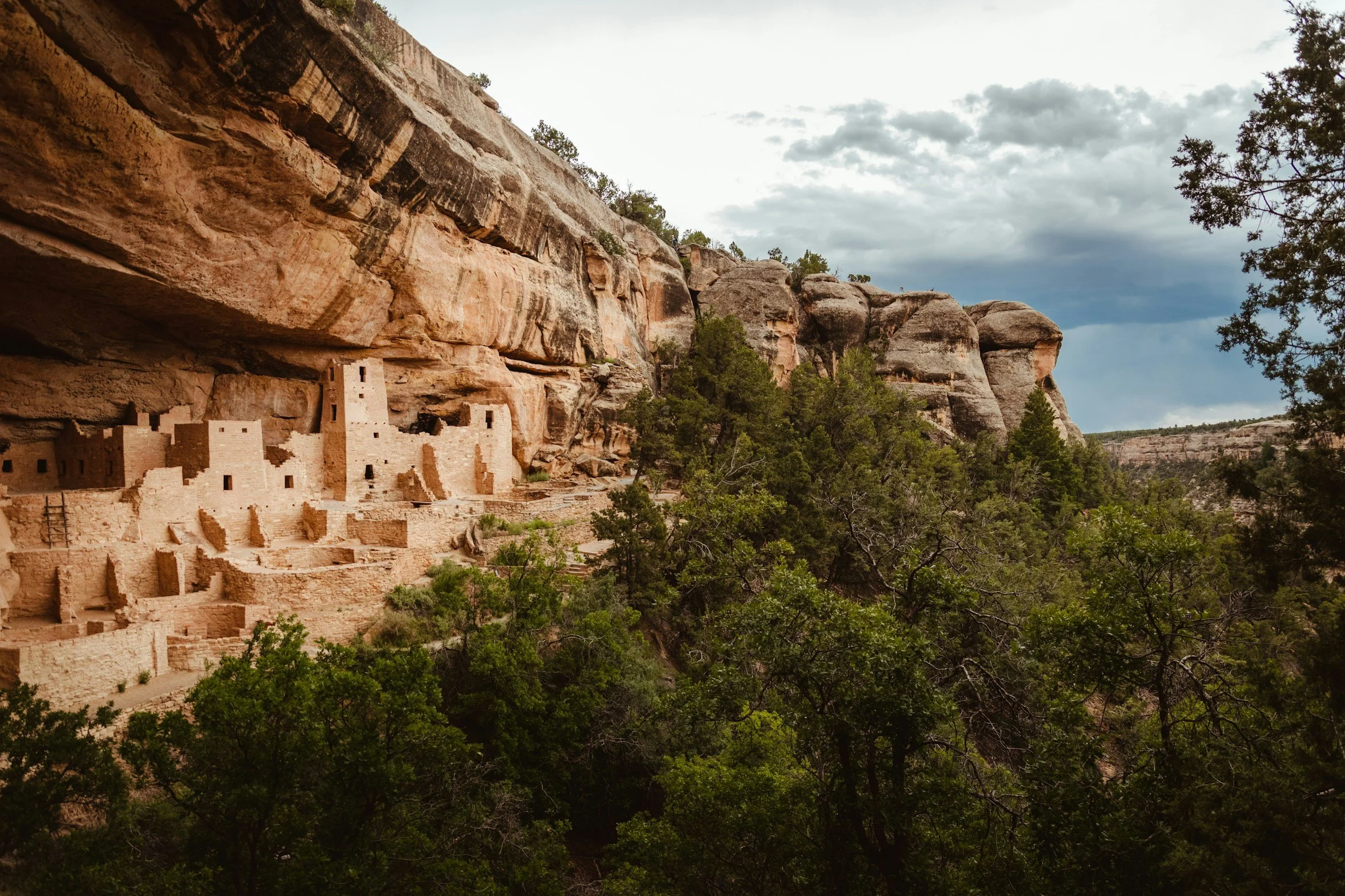
Donald currently lives in the Denver metro area. He grew up on the Ute Mountain Ute reservation from southwest Colorado and attended public school just off the reservation. Later he attended college and found a seasonal position as a wildland firefighter with the federal government. This led to a 27 year career working for the National Park Service as a Park Ranger (Law Enforcement). In his journey, Donald completed his paid position as Chief Ranger, duty stationed at Chaco Cultural National Historical Park. His other duty stations included Mesa Verde, Hovenweep, Sagurao, Haleakala, Yellowstone, Rocky Mountain National Parks, some 12 park units across the western United States.
Donald Whyte introduction to ancestral language preservation began when the Southern Ute Indian Tribe (SUIT) offered a Ute Language Immersion program in 2020. For two years he attended this certificate program to have the opportunity to learn to speak, read, write, and teach the Ute language in school settings.
“There is so much to learn, and I blend my ancestral world with landscape (sacred geography). From the land our words have their origins. “